
West Virginia sees a significant rise in DUI arrests during the first warm weekends of spring. The Wagner Law Firm is often called upon during these months to help clients navigate the heightened risk and protect their rights. Warmer weather encourages outdoor activities, seasonal events, and social gatherings, which naturally increases alcohol consumption and, unfortunately, leads to more impaired driving. Understanding why spring is more dangerous than winter and how drivers can prepare and respond is critical for anyone traveling the roads of West Virginia during this transitional season.













Why Spring Brings Higher DUI Risks 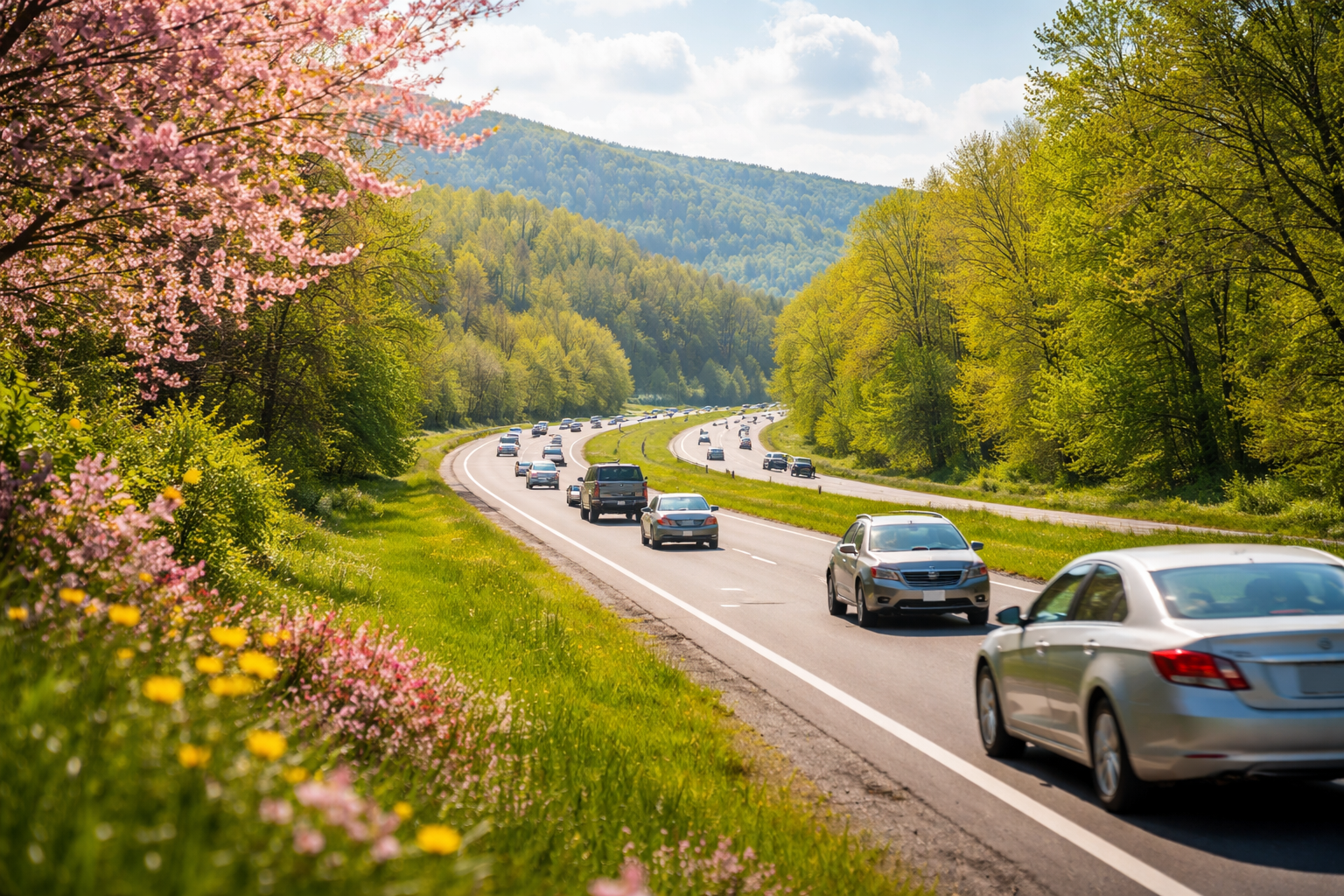
The transition from winter to spring brings longer days, higher temperatures, and a renewed enthusiasm for outdoor activities. After months of cold weather, residents of West Virginia eagerly attend festivals, sporting events, and social gatherings, often involving alcohol. Unlike winter months, when people may stay indoors or limit travel, spring encourages mobility and social interaction. This sudden increase in social activity leads to more instances of impaired driving. Drivers may underestimate the effects of alcohol after a period of lighter consumption during winter, believing that a single drink will not impair their ability to operate a vehicle. Law enforcement agencies anticipate these shifts and often increase patrols during warm weekends, which contributes to the higher number of DUI stops and arrests.
Seasonal Behavior and Alcohol Consumption Patterns
Behavioral factors during the first warm weekends amplify the risks of DUI. Many residents view these weekends as the unofficial start of the spring season, celebrating with friends and family in outdoor settings such as parks, local bars, and private gatherings. Increased alcohol consumption is common, and drivers may not accurately gauge their blood alcohol content. Even those accustomed to drinking may miscalculate the effects of alcohol after a winter hiatus. Social norms during this period encourage late-night travel, attendance at multiple events, and participation in activities that increase exposure to law enforcement. All of these behavioral elements combine to create a spike in DUI incidents during early spring weekends.
Defending West Virginia Residents for over 24 Years
Harley Wagner
Changes in Road Conditions and Traffic Patterns
Spring introduces several changes in road conditions that contribute to increased DUI arrests. Winter ice and snow give way to thawed roads that may still have wet patches, potholes, or lingering debris, making driving more challenging. Additionally, the number of vehicles on the roads increases as people travel for spring events, sporting activities, and recreational trips. Drivers returning to the roads after winter months may feel overconfident, underestimate traffic hazards, and fail to adjust their driving to seasonal conditions. Impaired driving under these circumstances is more likely to be detected by law enforcement, resulting in a higher number of DUI arrests.
Legal Consequences of DUI in West Virginia
Driving under the influence in West Virginia carries serious legal consequences, even for first-time offenders. Penalties can include fines, license suspension, court costs, mandatory alcohol education or treatment programs, and potential jail time. Repeat offenses or aggravated DUI charges can result in much harsher consequences, including felony charges and extended periods of license revocation. The Wagner Law Firm emphasizes the importance of understanding these penalties and consulting a knowledgeable attorney immediately following an arrest. Effective legal representation can make a significant difference in the outcome, including reducing fines, negotiating plea deals, or challenging the validity of the stop and testing procedures.
The Role of a DUI Attorney in Spring Arrests
A qualified DUI attorney provides guidance and defense strategies tailored to the nuances of West Virginia law. Attorneys from The Wagner Law Firm can examine probable cause for the traffic stop, evaluate breathalyzer and field sobriety test results, and advise on potential plea negotiations or diversion programs. They are also skilled in representing clients during court proceedings to ensure that rights are protected and that the case is evaluated thoroughly. During periods of heightened enforcement, such as the first warm weekends of spring, legal expertise becomes even more critical, as officers may be more active in DUI enforcement, and prosecutors may be vigilant in pursuing charges.
Harley and Heather gave me peace of mind as they walked me through the process of my DUI. Heather was so quick to answer even the smallest and probably irrelevant questions I had. I was extremely nervous to walk in the courtroom, but Harley made sure I was in and out of there in no time with the best deal I could think of. My DUI charge was reduced to a speeding ticket and some online DUI classes. Would absolutely recommend Harley and Heather if you’re ever in need of a lawyer.” - Antea Jarazi The Wagner Law Firm was amazing from beginning to end dealing with my case. This was my first time ever dealing with anything like this and they helped me tremendously and answered all my questions super fast. We got the best outcome possible for my case and I will be recommending Harley and Heather to anyone that’s ever in my situation." - Savanna Cummings Harley and Heather do not stop and are excellent at always keeping their clients up to date on the status of their case and never left wondering. They do all the work and are very well connected throughout the state. I will forever be grateful to both Harley and Heather for what they did for me,,,, they aren’t just another law firm, they are great people who truly care. Thank you." - Clint Anderson
Preventing DUI Arrests: Best Practices for Drivers
Reducing the risk of DUI during spring weekends requires preparation and awareness. Drivers should plan transportation in advance if alcohol consumption is anticipated. Utilizing ride-sharing services, taxis, or designated drivers can prevent impaired driving. Monitoring alcohol intake carefully, particularly after winter months of lower social drinking, is crucial. Additionally, understanding West Virginia DUI laws, including blood alcohol concentration limits and penalties for first-time and repeat offenses, helps drivers make safer choices. By taking these precautions, drivers can enjoy seasonal events while minimizing legal risks.
Social and Community Impacts of Spring DUIs
The increase in DUI arrests during spring has broader effects on the community. Accidents and injuries resulting from impaired driving can impact families, local healthcare resources, and traffic patterns. Communities may see increased police activity, court cases, and public awareness campaigns aimed at preventing DUI. The Wagner Law Firm often works with clients who are facing not only legal challenges but also social and personal consequences stemming from DUI charges. Understanding these wider impacts underscores the importance of safe driving practices during high-risk periods.
What are the penalties for a DUI conviction? What happens if I'm arrested for a first DUI?Related Videos





The first warm weekends of spring in West Virginia bring a higher risk of DUI due to increased social activities, alcohol consumption, changes in traffic patterns, and road conditions. Working with an experienced attorney from The Wagner Law Firm ensures that drivers facing DUI charges have expert guidance to protect their rights and navigate legal challenges. Drivers can also take proactive steps to minimize risk by planning transportation, monitoring alcohol intake, and staying informed about West Virginia DUI laws. Awareness, preparation, and professional legal support are essential tools for safely navigating the spring season on West Virginia roads.
To learn more about this subject click here: Pulled Over After a Spring Festival in WV? How DUI Stops Actually Start
|
|
|