
Yes. Body camera footage can help you challenge a West Virginia DUI charge when the recording shows facts that do not match the written police report, problems with field sobriety test instructions or conditions, missing context, or a clearer picture of your speech, balance, behavior, and statements. The same footage can also support the State’s case, so its value depends on what the full recording shows and how it compares with the rest of the evidence.
The Wagner Law Firm may review body camera video together with police reports, dash camera footage, dispatch records, chemical test records, photographs, witness statements, and other available evidence. Looking at the complete timeline can help identify which details support the officer’s account, which details conflict with it, and which issues need closer legal review.
Body camera footage is most useful when it is reviewed in context, not in isolation.












Why Body Camera Footage Can Matter in a West Virginia DUI Case 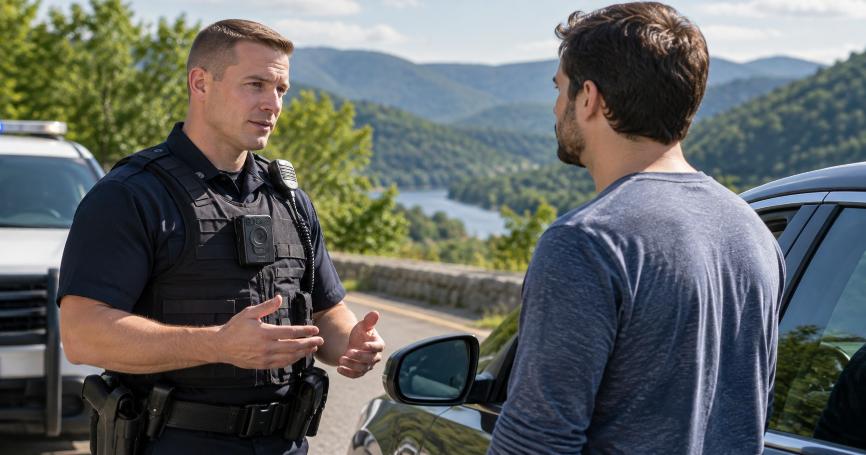
A DUI investigation often develops quickly. An officer may make observations about your speech, eyes, balance, coordination, responses, driving behavior, or ability to follow instructions. Those observations can later appear in a written report.
Body camera footage may preserve part of the encounter as it happened. Instead of relying only on a written description, your attorney may be able to see and hear how the conversation unfolded, what the officer asked, how you responded, how roadside exercises were explained, where testing occurred, and what the surrounding conditions looked like.
The recording may support the officer’s description. It may also show details that need more explanation. The key question is not whether video exists. The key question is what the complete recording shows when compared with the report and the other evidence.
What Body Camera Footage May Reveal
Depending on when the camera was activated, where the officer was standing, and whether the view was blocked, the recording may capture:
- The first conversation between you and the officer
- Your speech, coordination, movements, and responses
- Questions about alcohol, medications, drugs, or recent driving
- Statements you made during the stop
- Instructions for field sobriety exercises
- The officer’s demonstrations of roadside exercises
- The surface, slope, lighting, traffic, weather, and available space at the testing location
- Statements made by passengers or witnesses
- Requests for consent to search the vehicle
- Discussions about breath, blood, or urine testing
- Events immediately before the arrest
- Portions of the transport or post-arrest process
A body camera cannot capture every fact. The camera may face away from you, become blocked, activate after part of the encounter has already occurred, or fail to show what the officer saw before approaching your vehicle. That is why the recording should be compared with dash camera video, dispatch records, reports, test records, and witness accounts when those materials are available.
Defending West Virginia Residents for over 24 Years
Harley Wagner
Can Body Camera Video Challenge the Police Report?
Yes. One of the strongest uses of body camera footage is comparing the officer’s written account with what can actually be seen and heard on the recording.
For example, a report may state that you could not follow instructions. The video may show that you asked a reasonable clarifying question and then followed the instruction. A report may describe you as unsteady while standing, while the recording may show that you were standing on a sloped shoulder, beside a curb, or on uneven pavement.
The opposite is also possible. The recording may confirm observations in the report.
A difference between the video and the written report does not automatically invalidate an arrest or end the case. It can still matter when your attorney evaluates the officer’s credibility, the sequence of events, the basis for continued detention, probable cause for arrest, or the strength of the State’s evidence.
Related resource:
https://www.westvirginiaduilawyers.com/reasonable-suspicion-probable-cause-in-dui-cases/
Body Camera Footage and Field Sobriety Tests
Field sobriety exercises often become a major part of a DUI investigation. Video may show both your performance and the way the officer explained and administered the exercises.
An attorney may review whether:
- The instructions were clear
- The officer demonstrated the exercise
- The testing surface was level and reasonably suitable
- Traffic, lighting, weather, or roadside conditions affected the setting
- The officer repeated, changed, or interrupted instructions
- Your footwear or physical condition may have affected performance
- The video supports the clues described in the written report
Consider a driver stopped near Martinsburg who is asked to perform a walk-and-turn exercise beside a roadway. If the report describes balance problems, body camera footage may show whether the testing area included a slope, curb, narrow shoulder, loose gravel, or passing traffic. Those facts do not decide the case by themselves, but they can provide context that a written report may not fully describe.
Related resource:
https://www.westvirginiaduilawyers.com/common-mistakes-made-by-law-enforcement-in-a-dui-case/
Harley and Heather gave me peace of mind as they walked me through the process of my DUI. Heather was so quick to answer even the smallest and probably irrelevant questions I had. I was extremely nervous to walk in the courtroom, but Harley made sure I was in and out of there in no time with the best deal I could think of. My DUI charge was reduced to a speeding ticket and some online DUI classes. Would absolutely recommend Harley and Heather if you’re ever in need of a lawyer.” - Antea Jarazi The Wagner Law Firm was amazing from beginning to end dealing with my case. This was my first time ever dealing with anything like this and they helped me tremendously and answered all my questions super fast. We got the best outcome possible for my case and I will be recommending Harley and Heather to anyone that’s ever in my situation." - Savanna Cummings Harley and Heather do not stop and are excellent at always keeping their clients up to date on the status of their case and never left wondering. They do all the work and are very well connected throughout the state. I will forever be grateful to both Harley and Heather for what they did for me,,,, they aren’t just another law firm, they are great people who truly care. Thank you." - Clint Anderson
Can Body Camera Footage Affect Probable Cause?
Yes, depending on what the recording shows.
In West Virginia, a lawful warrantless DUI arrest generally requires probable cause based on the facts and circumstances known to the officer. Body camera footage may help show what the officer observed after approaching your vehicle and during the roadside investigation.
The recording may capture:
- Whether you answered questions coherently
- What the officer said he or she observed
- Your speech, movement, and coordination
- How field sobriety exercises were explained and performed
- What you said before the arrest
- The sequence and timing of the investigation
The body camera may not show the driving behavior that led to the traffic stop. Dash camera footage, dispatch information, witness statements, or officer testimony may address that part of the case.
Probable cause should be evaluated from the full set of facts available to the officer, not from one isolated moment in the recording.
What If the Body Camera Footage Is Missing or Incomplete?
Missing footage does not automatically mean that your DUI charge will be dismissed. A recording may not exist, may begin after the stop started, may contain gaps, or may fail to capture part of the encounter.
Incomplete footage can still raise useful questions. Your attorney may investigate:
- When the body camera was activated
- Whether another officer recorded the scene
- Whether dash camera footage exists
- Whether dispatch audio or time-stamped records can help establish the sequence of events
- Whether reports describe events that the available video does not show
- Whether a preservation request should be made for related recordings
Retention periods and preservation practices can vary by agency and record type. Prompt action can help preserve available evidence before routine deletion or overwriting occurs.
For more information about the stages that can follow an arrest, visit:
https://www.westvirginiaduilawyers.com/what-happens-after-a-dui-arrest/
Can the Prosecution Use Body Camera Footage Against You?
Yes. Body camera footage can support either side of a DUI case.
A prosecutor may use video to support claims that you appeared impaired, made an admission, had difficulty with field sobriety exercises, or struggled to follow instructions. The recording may also preserve statements that you do not remember making.
That is why it is risky to judge your case from a short clip or from memory alone. Your attorney should review the full recording, including the minutes before and after the most obvious events, and compare the footage with the officer’s reports and other evidence.
A sound defense accounts for evidence that helps you and evidence that may help the State. The goal is to determine what the State can prove, what can reasonably be challenged, and which facts need more investigation.
Related resource:
https://www.westvirginiaduilawyers.com/west-virginia-dui-defense-strategies-what-works/
How an Attorney May Use Body Camera Evidence
Body camera footage may be useful at several stages of a West Virginia DUI case. Your defense attorney may use it to:
- Compare the officer’s report with the recorded encounter
- Evaluate the legal basis for the detention or arrest
- Review field sobriety instructions and performance
- Identify statements that require legal analysis
- Test the accuracy of the officer’s timeline
- Identify environmental conditions that may explain what the officer observed
- Look for passengers, witnesses, or other evidence
- Compare body camera footage with dash camera video or dispatch records
- Prepare questions for cross-examination
- Evaluate whether the facts support a pretrial motion
- Assess how the video may affect negotiation or trial strategy
The body camera should usually be treated as one part of the evidence rather than the entire case.
For more information about evidence that may appear in a West Virginia DUI case, visit:
https://www.westvirginiaduilawyers.com/what-evidence-can-be-used-against-you-west-virginia-dui-case/
What Should You Do If You Believe the Video Helps Your Case?
Write down what you remember about the stop while the details remain fresh. Keep copies of citations, testing paperwork, release documents, court notices, and other records connected to the arrest.
You should also:
- Preserve photographs, messages, location records, receipts, and other potentially relevant information
- Avoid editing or deleting records connected to the incident
- Avoid posting details about the stop or evidence on social media
- Keep track of court dates and deadlines
- Tell your attorney about medical conditions, injuries, footwear, road conditions, or other facts that may explain what appears on the video
- Ask your attorney whether body camera, dash camera, dispatch, or other recordings should be requested or preserved
A detail that seems minor by itself may become more meaningful when it is compared with the police report, chemical testing records, or another recording.
Questions People Often Ask About DUI Body Camera Footage
Does Favorable Body Camera Footage Mean My DUI Will Be Dismissed?
No. Favorable footage may help challenge part of the State’s case, but dismissal depends on the legal and factual issues involved. Chemical test results, officer testimony, other recordings, witness statements, probable cause, and procedural issues may still affect the case.
Can Body Camera Footage Show That a Field Sobriety Test Was Performed Incorrectly?
It may. Video can show the officer’s instructions, demonstrations, testing location, timing, and portions of your performance. Your attorney can compare the recording with the procedures that were used and evaluate whether any issue is legally significant.
What If the Police Report Describes Something I Cannot See on the Video?
The difference deserves review, but it does not automatically mean the report is false. The officer may have observed something outside the camera’s field of view or before the camera was activated. Your attorney can compare the report, recording, testimony, dash camera footage, and other evidence to determine whether the difference matters.
Can I Obtain the Body Camera Footage Myself?
Access can depend on the circumstances, the agency, the type of recording, and the stage of the case. When criminal charges are pending, an attorney can evaluate the proper method for seeking relevant recordings and preserving evidence.
Does a Missing Body Camera Recording Help My DUI Defense?
It can create questions, but it does not create an automatic defense. Your attorney may examine why the recording is missing, whether another recording exists, what the reports say, and whether other time-stamped evidence can fill the gap.
Should My Attorney Review the Entire Recording?
Yes. A complete review can matter because context may appear before or after the part of the encounter that seems most significant. Statements, instructions, timing, environmental conditions, and interactions with other officers may all affect how the footage is understood.
Speak With a West Virginia DUI Attorney About Body Camera Evidence
Body camera footage can preserve details that may be difficult to reconstruct from memory or a written police report. It may reveal inconsistencies, testing conditions, unclear instructions, missing context, or facts that support the officer’s account. The value of the video depends on the complete record.
If you are facing a DUI charge in West Virginia, Attorney Harley Wagner can review body camera footage together with police reports, field sobriety evidence, chemical test records, dash camera video, dispatch information, and other available evidence. The Wagner Law Firm represents people facing DUI charges across West Virginia, including Martinsburg and nearby areas.
Learn more about Attorney Harley Wagner:
https://www.westvirginiaduilawyers.com/attorney-harley-wagner/
Request a consultation:
https://www.westvirginiaduilawyers.com/contact-us/
Call The Wagner Law Firm at (304) 461-6000.
This article is for informational purposes only. It is not legal advice and does not create an attorney-client relationship. Every case depends on its specific facts, evidence, charges, and procedural history.



|


|