
Facing a DUI charge can be a stressful and confusing experience, especially when it comes to the potential consequences of your driver’s license being affected. You may feel overwhelmed by the possibility of losing your ability to drive, and that uncertainty can add an extra layer of stress to an already challenging situation. At The Wagner Law Firm, we understand that you’re likely dealing with many concerns. Whether it’s how your daily routine will change, the impact on your job, or your overall future, we are here to guide you through these difficult times. Understanding the differences between license suspension and revocation can help you make more informed decisions about how to proceed with your case.
Understanding the DUI Process in West Virginia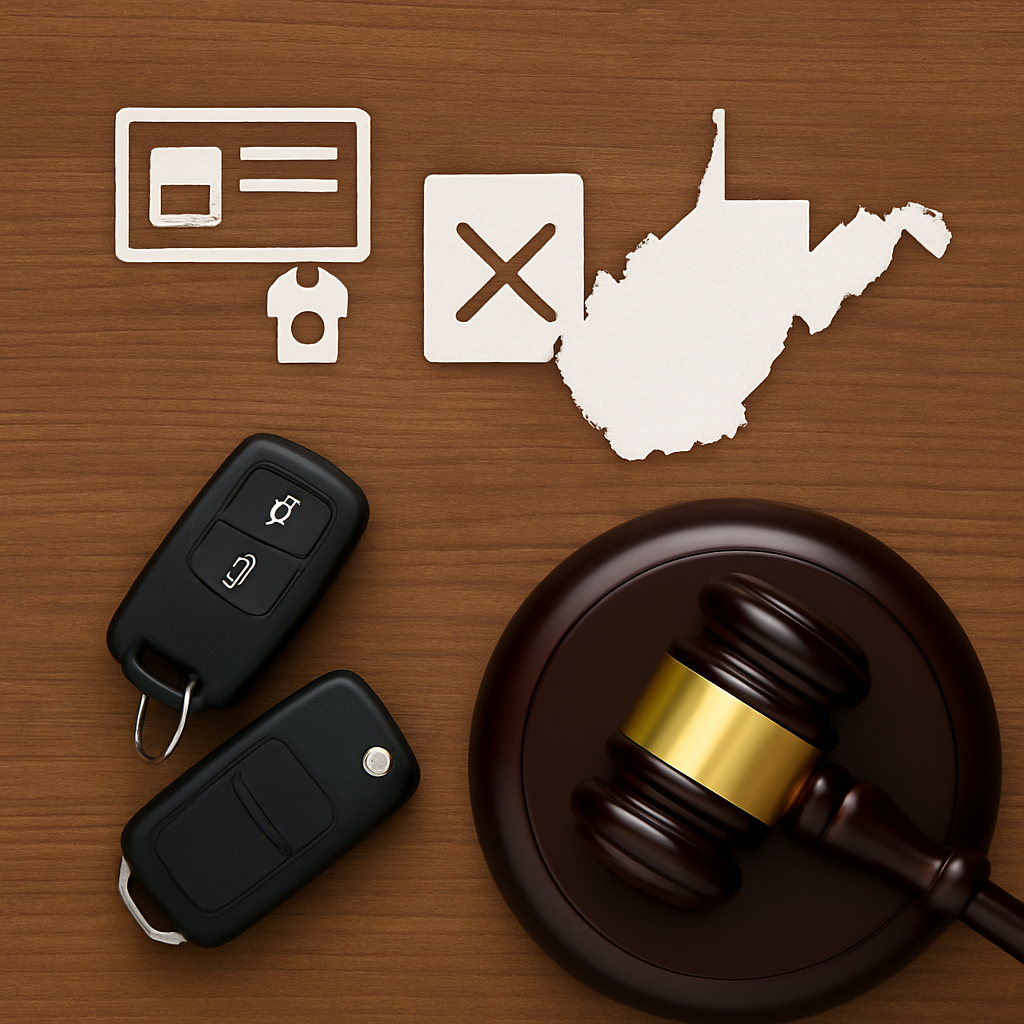
West Virginia has strict laws regarding impaired driving. If you are caught driving under the influence of alcohol or drugs, your license may be affected depending on the circumstances of your case. However, not all cases lead to the same consequence. Two primary outcomes that drivers face are license suspension and license revocation. While both involve the loss of driving privileges, they have key differences that affect the duration and the conditions of the loss. Knowing these differences will allow you to better understand what you may be facing and how an experienced DUI defense lawyer can help you navigate the legal system.
What is License Suspension?
A license suspension means that your driving privileges are temporarily taken away. In West Virginia, a DUI arrest or conviction may result in the suspension of your driver’s license for a specified period. The length of the suspension depends on various factors, such as the circumstances surrounding the DUI offense and whether it is your first or a repeat offense.
For first-time DUI offenders, a license suspension may range from a few months to a year, depending on whether you refuse to take a chemical test or if your blood alcohol content (BAC) exceeds the legal limit. In cases where you do take the chemical test and your BAC is over the limit, the suspension may be less severe, but it still disrupts your daily life.
Defending West Virginia Residents for over 24 Years
Harley Wagner
The Effects of License Suspension
License suspension is often a less severe penalty than revocation because it is temporary. However, it still has a significant impact on your ability to drive and manage daily activities. For many people, losing their license for even a short period can result in a loss of income, the inability to attend school or medical appointments, and other life challenges.
During the suspension period, you may be required to install an ignition interlock device in your vehicle, which prevents the car from starting if alcohol is detected in your breath. This is one of the measures West Virginia may impose to help you regain your driving privileges after the suspension period ends.
What is License Revocation?
Unlike a suspension, a license revocation is a permanent decision. Revocation means that your license is taken away and you cannot legally drive until you go through a legal process to reinstate it. A revocation may be triggered by repeat DUI offenses or particularly serious cases where your behavior behind the wheel posed a significant danger to yourself or others.
In West Virginia, if you are convicted of a DUI for the second or third time, or if you are found guilty of aggravated DUI, your license may be permanently revoked. In such cases, the revocation may last for several years or even permanently, depending on the details of the case. This is a more severe consequence than suspension because it means you will need to go through a lengthy and costly process to regain your driving privileges, if possible.
Harley and Heather gave me peace of mind as they walked me through the process of my DUI. Heather was so quick to answer even the smallest and probably irrelevant questions I had. I was extremely nervous to walk in the courtroom, but Harley made sure I was in and out of there in no time with the best deal I could think of. My DUI charge was reduced to a speeding ticket and some online DUI classes. Would absolutely recommend Harley and Heather if you’re ever in need of a lawyer.” - Antea Jarazi The Wagner Law Firm was amazing from beginning to end dealing with my case. This was my first time ever dealing with anything like this and they helped me tremendously and answered all my questions super fast. We got the best outcome possible for my case and I will be recommending Harley and Heather to anyone that’s ever in my situation." - Savanna Cummings Harley and Heather do not stop and are excellent at always keeping their clients up to date on the status of their case and never left wondering. They do all the work and are very well connected throughout the state. I will forever be grateful to both Harley and Heather for what they did for me,,,, they aren’t just another law firm, they are great people who truly care. Thank you." - Clint Anderson
The Consequences of License Revocation
The revocation of your license can have serious, long-term consequences. Without the ability to drive, you may find it more difficult to maintain employment, attend school, or even take care of your family. This penalty can feel especially harsh if you depend on your vehicle for your livelihood. The process for reinstating your license after a revocation is also complicated and often requires additional requirements, such as completing DUI education programs, paying reinstatement fees, and even reapplying for a license after several years.
Key Differences Between Suspension and Revocation
While both suspension and revocation result in the loss of your ability to drive, the key difference lies in the duration and severity of the consequences. A suspension is temporary, meaning you can regain your driving privileges after a set period. In contrast, revocation is permanent, and you will need to go through a lengthy process to regain your license if allowed. The reason for the revocation often stems from repeat offenses or more serious violations, making it a much harsher penalty.
Additionally, revocation may come with stricter terms for reinstatement, such as completing alcohol or drug treatment programs, passing driving tests, or waiting for a certain number of years before reapplying for a license. A suspension, on the other hand, generally only requires you to serve the suspension period, after which your license is restored.
What are the penalties for a DUI conviction? What happens if I'm arrested for a first DUI?Related Videos








What Happens if You are Facing a DUI Charge in West Virginia?
If you are arrested for DUI in West Virginia, the state’s laws are strict, and it is important to understand your rights and the potential consequences. West Virginia has an implied consent law, meaning that if you refuse to take a breath, blood, or urine test during a DUI stop, your license will automatically be suspended for a period of time, even before a conviction.
If you are convicted of DUI, the severity of the punishment, including whether your license will be suspended or revoked, depends on several factors, including whether you have prior DUI convictions, whether you were involved in an accident, and whether your BAC was above the legal limit. An experienced DUI defense lawyer can help you navigate these factors and work with the court to reduce the consequences of your case.
How an Attorney Can Help
Facing DUI charges and the possibility of a suspended or revoked license can be a daunting experience. You may be unsure of your next steps or feel helpless about the outcome of your case. That’s where an experienced DUI attorney can make all the difference. At The Wagner Law Firm, we offer compassionate and empathetic legal representation, taking the time to listen to your concerns and provide guidance based on your unique situation.
Case Results
Whether your license is at risk of being suspended or revoked, we can help you understand the legal process, explore your options, and work toward the best possible outcome for your case. With our assistance, you can have peace of mind knowing that we are dedicated to defending your rights and helping you move forward with your life.
Why You Should Reach Out to The Wagner Law Firm
If you are facing DUI charges in West Virginia and are concerned about the impact on your driver’s license, don’t wait to seek legal help. Contact The Wagner Law Firm today. We understand how important your ability to drive is, and we will work tirelessly to help you avoid the most severe penalties. With our experience and dedication to achieving the best results for our clients, we are ready to fight for you.
Let us help you navigate the complexities of the DUI legal process and work toward a successful outcome. Your future is important, and we’re here to ensure that you don’t face it alone. Reach out today to schedule a free consultation and take the first step toward protecting your driving privileges.
To learn more about this subject click here: How to Get a DUI Charge Reduced in West Virginia
|
|
|