
West Virginia’s challenging winter weather can significantly affect the results of DUI sobriety tests. During the cold months, icy roads, snow, and freezing temperatures become a common factor in many DUI stops, influencing the accuracy of field sobriety tests. The weather conditions in West Virginia can be particularly tricky for drivers who may be sober but fail tests due to factors entirely unrelated to alcohol consumption. Understanding how these weather-related factors impact DUI testing is crucial for both drivers and defense attorneys alike.













The Importance of Field Sobriety Tests in DUI Stops 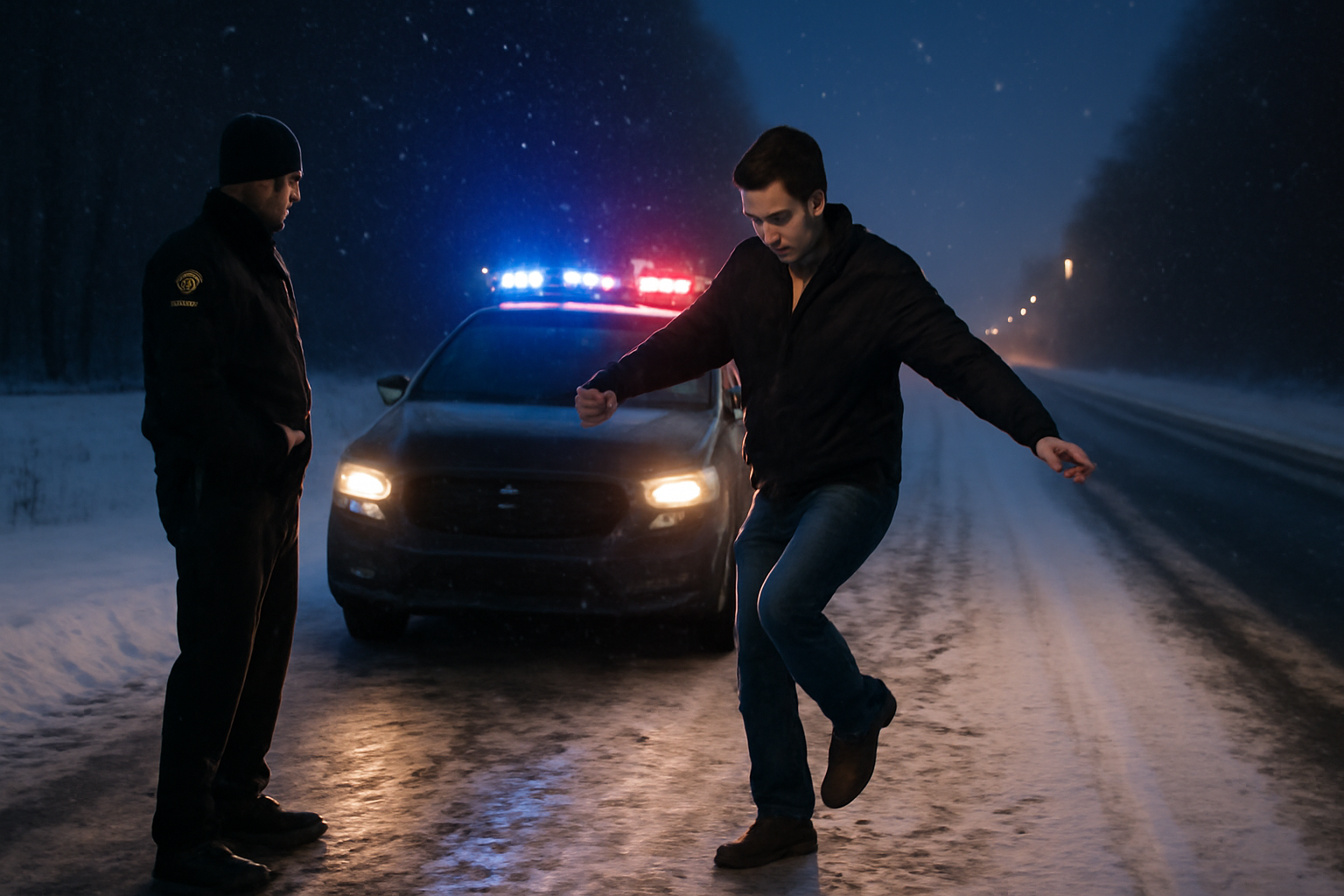
Field sobriety tests are designed to assess a driver’s physical and cognitive abilities and determine whether they are impaired due to alcohol or drugs. These tests are typically conducted roadside during a DUI stop, and they include common exercises such as the Walk-and-Turn Test, the One-Leg Stand Test, and the Horizontal Gaze Nystagmus Test (HGN).
Officers use these tests to gather evidence of impairment, but they are not always perfect indicators of intoxication. Even sober individuals can fail these tests due to various factors, including weather conditions, medical conditions, or anxiety. In West Virginia, where severe winter weather is not uncommon, these environmental factors must be taken into account when interpreting sobriety test results.
Icy Roads and Slippery Conditions
One of the most significant weather-related challenges in West Virginia is icy roads. During winter, snow and ice frequently make roads hazardous, especially in the mountainous regions of the state. A standard test like the Walk-and-Turn Test requires a driver to walk in a straight line while balancing and maintaining coordination.
However, if the road is icy or slippery, maintaining balance becomes a near-impossible task. In these circumstances, a driver may lose their balance or appear uncoordinated, even if they are sober. This misinterpretation could lead to an incorrect assessment of impairment. The cold weather also affects a person’s physical abilities, further complicating the test’s accuracy.
Defending West Virginia Residents for over 24 Years
Harley Wagner
Cold Temperatures and Stiffness
Cold temperatures have a direct impact on how a person’s body moves. When the temperature drops, muscles and joints can stiffen, and this can make it difficult for someone to perform the physical tasks required in a field sobriety test. In some cases, the cold weather can also cause people to shiver, which can further hinder their ability to maintain balance or follow instructions.
The Walk-and-Turn Test, for instance, requires a person to stand with one foot in front of the other while balancing. In cold weather, stiff legs or shaky movements may be interpreted as signs of impairment, even though they are simply a result of the body reacting to the cold. Drivers may appear unable to follow instructions or maintain balance, leading officers to suspect DUI impairment when no such impairment exists.
Wind and Snow: Distractions and Instability
Snowstorms, heavy winds, and poor visibility are common during West Virginia’s winter months. These weather conditions not only create challenges for drivers trying to navigate safely but also impact their ability to perform field sobriety tests. A snowstorm or gusty winds can cause a driver to become distracted or unstable, leading to movements that might suggest impairment.
In windy or snowy conditions, a person’s ability to focus may be impaired due to environmental factors. Snow and ice can make standing still or walking a significant challenge, and wind gusts may force a person to struggle to maintain their posture. These distractions can lead to errors in the field sobriety test, which could unfairly suggest that a driver is intoxicated when, in fact, they are simply struggling to keep their balance in harsh conditions.
Harley and Heather gave me peace of mind as they walked me through the process of my DUI. Heather was so quick to answer even the smallest and probably irrelevant questions I had. I was extremely nervous to walk in the courtroom, but Harley made sure I was in and out of there in no time with the best deal I could think of. My DUI charge was reduced to a speeding ticket and some online DUI classes. Would absolutely recommend Harley and Heather if you’re ever in need of a lawyer.” - Antea Jarazi The Wagner Law Firm was amazing from beginning to end dealing with my case. This was my first time ever dealing with anything like this and they helped me tremendously and answered all my questions super fast. We got the best outcome possible for my case and I will be recommending Harley and Heather to anyone that’s ever in my situation." - Savanna Cummings Harley and Heather do not stop and are excellent at always keeping their clients up to date on the status of their case and never left wondering. They do all the work and are very well connected throughout the state. I will forever be grateful to both Harley and Heather for what they did for me,,,, they aren’t just another law firm, they are great people who truly care. Thank you." - Clint Anderson
Understanding the Impact of Weather on DUI Defense
If you are stopped for DUI during West Virginia’s winter months, understanding the impact of weather on the accuracy of field sobriety tests is crucial. Drivers who perform poorly on these tests due to weather conditions may face wrongful DUI charges. As a result, it’s essential to have a defense attorney who can challenge the results of the sobriety tests, particularly when weather factors are involved.
DUI defense attorneys in West Virginia are well aware of the challenges that weather-related factors can pose during DUI stops. In some cases, attorneys can argue that weather conditions, such as icy roads or snow, interfered with the accuracy of the field tests. Weather reports, video footage of the stop, and other evidence can be presented to demonstrate that the driver was unable to properly perform the tests due to conditions beyond their control.
What are the penalties for a DUI conviction? What happens if I'm arrested for a first DUI?Related Videos





Key Legal Considerations for Weather-Related DUI Stops
West Virginia’s DUI laws require officers to establish probable cause for a DUI arrest. This includes determining whether a driver is impaired by alcohol or drugs based on the results of field sobriety tests and other evidence. However, when weather conditions are involved, the accuracy of these tests becomes questionable.
A common defense in these cases is challenging the validity of the field sobriety tests due to weather-related factors. In these situations, a defense attorney may work with expert witnesses, such as accident reconstructionists or weather experts, to demonstrate that the environmental conditions were a significant factor in the driver’s inability to pass the sobriety test. This may lead to a reduction in charges or even the dismissal of the case if it is determined that the tests were unfairly compromised.
How to Challenge a DUI Arrest Based on Weather Conditions
When challenging a DUI arrest in West Virginia due to weather conditions, it’s important to gather as much evidence as possible. Here are some key steps that can be taken:
- Weather Reports: Obtain local weather reports from the time and place of the DUI stop. These reports can show that icy roads, snow, or poor visibility affected the conditions during the stop and test.
- Dashcam or Bodycam Footage: Many police vehicles are equipped with cameras that record DUI stops. This footage can provide valuable evidence of weather conditions and the driver’s behavior during the field sobriety tests.
- Witness Statements: If there were any bystanders or passengers in the car, their statements about the weather conditions and the driver’s behavior during the stop can support the argument that weather played a role in the sobriety test results.
- Expert Testimony: In some cases, an expert witness may be called to testify about how weather conditions, such as ice or snow, would affect a person’s ability to complete a field sobriety test accurately.
- Medical Records: If the driver has a medical condition that affects their balance, mobility, or coordination, these records can be used to support the defense argument that the field test results were inaccurate.
Case Results
The Role of an Experienced DUI Attorney in West Virginia
Having an experienced DUI attorney on your side is essential when challenging the results of a field sobriety test due to weather conditions. DUI defense lawyers, like those at The Wagner Law Firm, are skilled at identifying the nuances of weather-related DUI cases and will work to ensure that any relevant weather evidence is presented effectively in court.
West Virginia DUI laws are strict, and it can be difficult to challenge DUI charges without the right legal support. An attorney will assess the specifics of your case, including the weather at the time of the stop, and help you build a strong defense to protect your rights and future.
West Virginia’s winter weather presents unique challenges for DUI tests. Icy roads, snow, and cold temperatures can interfere with the accuracy of field sobriety tests, potentially leading to wrongful DUI arrests. If you have been arrested for DUI during the winter months, it’s crucial to understand that weather conditions may have played a significant role in the test results.
If you believe your DUI arrest was influenced by weather conditions, consult with a skilled DUI defense attorney to help you navigate your case. At The Wagner Law Firm, we understand the complexities of DUI cases in West Virginia, especially when weather factors are involved. Let us help you defend your rights and build a strong case for your defense.
To learn more about this subject click here: Under-21 Halloween Party DUI in Charleston – Understanding the 0.02 BAC and Your Court Timeline
|
|
|