
Decongestants commonly found in cold medicines, such as pseudoephedrine, are often unsuspected culprits in DUI-drug allegations in West Virginia. While many people think of alcohol as the main cause of DUI arrests, certain medications can trigger a blood alcohol concentration (BAC) test and result in legal consequences. If you find yourself arrested for driving under the influence (DUI) after taking cold medicine, it’s crucial to understand the law and take immediate steps to protect your rights.










What is BAC and DUI in West Virginia? 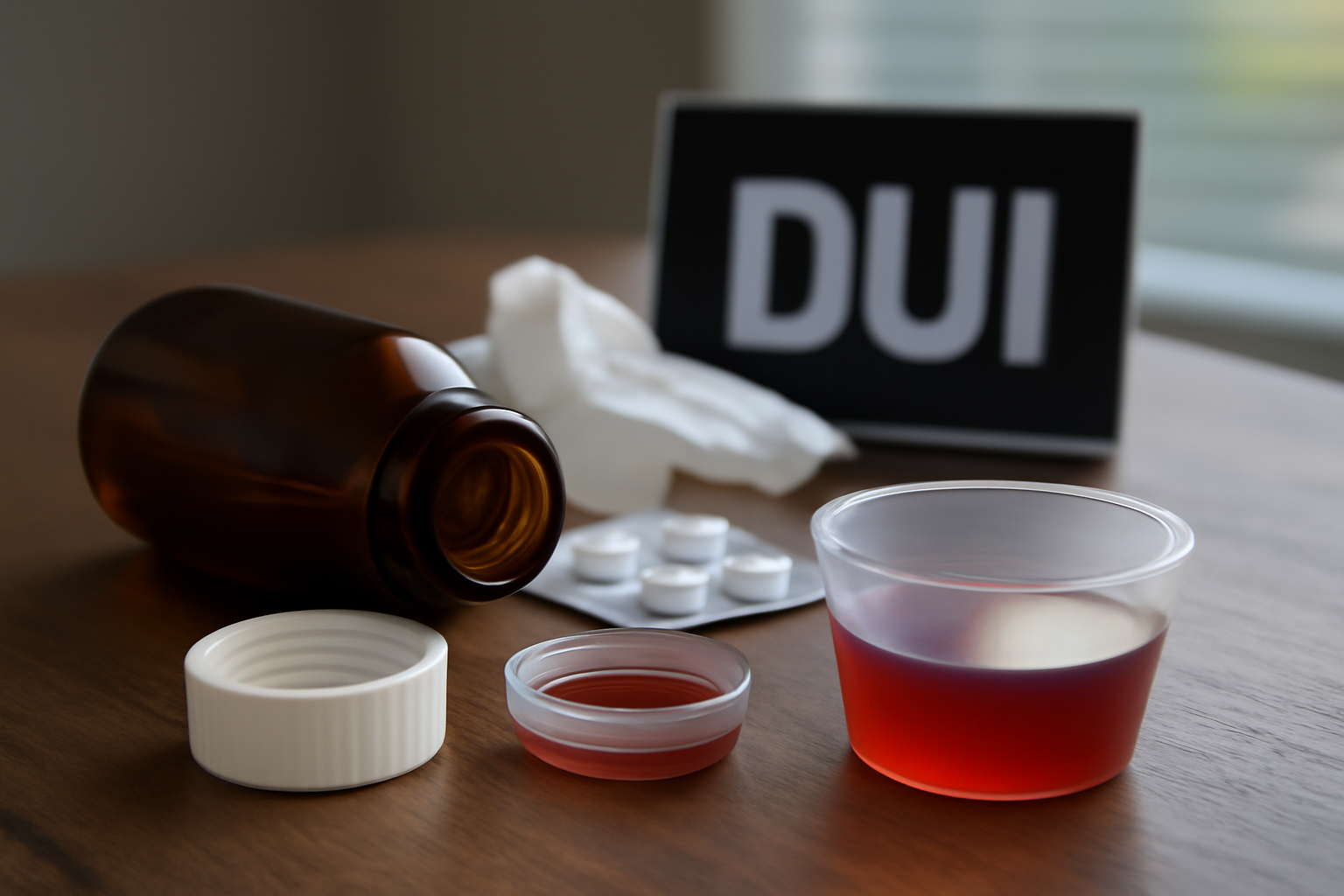
In West Virginia, DUI charges are typically associated with alcohol consumption, but the definition of impairment extends beyond just drinking. A DUI conviction can be based on any substance that impairs your ability to drive safely. This includes alcohol, drugs, or any other substance that affects your motor skills, judgment, or reaction time.
Most people are familiar with the legal BAC limit of 0.08% for alcohol. If you’re found to have a BAC higher than this, you can be charged with DUI, regardless of whether you feel impaired. However, if you’ve consumed no alcohol but are arrested and tested, the question arises: Can cold medicine lead to a DUI charge? The answer is yes, under certain circumstances, even when alcohol isn’t involved.
A DUI charge doesn’t always depend on a high BAC—it can also be triggered by substances like prescription drugs, over-the-counter medications, or illegal substances. Therefore, taking cold medicine containing decongestants that have stimulant-like effects could lead to a situation where a police officer perceives you as impaired, resulting in a DUI-drug charge.
Understanding How Cold Medicine Can Impact Driving
When you’re sick and using cold medicine, you probably don’t give much thought to how it might affect your ability to drive. After all, these medications are legally available and widely used. However, the active ingredients in many cold and flu medications—especially decongestants like pseudoephedrine—can have powerful side effects that impact your central nervous system.
Pseudoephedrine is a common ingredient in over-the-counter cold medications, as it helps relieve nasal congestion. However, it can also cause side effects like dizziness, drowsiness, anxiety, and a rapid heart rate. These effects can significantly impair your ability to drive safely, as they may make you feel drowsy or overly jittery. Even if you don’t feel “drunk” or “high,” the combination of these effects can affect your motor skills and reaction times.
Defending West Virginia Residents for over 24 Years
Harley Wagner
While pseudoephedrine doesn’t directly increase your BAC, the impairment caused by it can be enough to trigger a DUI-drug investigation. Law enforcement officers are trained to recognize signs of impairment, and if you exhibit symptoms such as swaying, slow reflexes, or poor coordination, you may be asked to submit to a chemical test for BAC.
The Legal Implications of DUI-Drug Charges in West Virginia
Under West Virginia law, you can be charged with DUI if you’re found to be impaired by any substance, including cold medicine. This is important because it means you can face serious legal consequences for something that wasn’t even related to alcohol. Even if your BAC is below the legal limit for alcohol, you could still be arrested and charged if you’re impaired by other substances.
In cases where a driver is suspected of being under the influence of drugs, police may conduct a field sobriety test (FST) and request a chemical test, which could include a breathalyzer or a blood test. The test is meant to measure your BAC or detect the presence of drugs in your system.
If the test shows a BAC above the legal limit, you could be arrested for DUI, even if your only “offense” was taking cold medicine. The challenge here is that the effects of some cold medicines may not be immediately obvious to a police officer, and the officer may not fully understand that your impairment stems from something other than alcohol.
Harley and Heather gave me peace of mind as they walked me through the process of my DUI. Heather was so quick to answer even the smallest and probably irrelevant questions I had. I was extremely nervous to walk in the courtroom, but Harley made sure I was in and out of there in no time with the best deal I could think of. My DUI charge was reduced to a speeding ticket and some online DUI classes. Would absolutely recommend Harley and Heather if you’re ever in need of a lawyer.” - Antea Jarazi The Wagner Law Firm was amazing from beginning to end dealing with my case. This was my first time ever dealing with anything like this and they helped me tremendously and answered all my questions super fast. We got the best outcome possible for my case and I will be recommending Harley and Heather to anyone that’s ever in my situation." - Savanna Cummings Harley and Heather do not stop and are excellent at always keeping their clients up to date on the status of their case and never left wondering. They do all the work and are very well connected throughout the state. I will forever be grateful to both Harley and Heather for what they did for me,,,, they aren’t just another law firm, they are great people who truly care. Thank you." - Clint Anderson
How Does Cold Medicine Affect Your BAC Test?
While cold medicine like pseudoephedrine doesn’t directly contribute to BAC levels in the way alcohol does, it can still lead to a BAC reading that is high enough to trigger a DUI charge. This is because certain medications can interfere with the body’s metabolism, and their effects can linger long after the medication has been taken.
For example, if you take cold medicine late in the afternoon and then drive later that evening, the effects of the medication could still be present. This means that even if your BAC test doesn’t measure alcohol, it may still show elevated levels due to the residual effects of the drug.
It’s important to note that not all cold medicines will cause this effect. However, many decongestants, antihistamines, and other medications can impair your driving abilities, making it easier for an officer to suspect you of driving under the influence. The key issue is whether you appear to be impaired enough for a law enforcement officer to justify testing and arrest.
The Risks of Driving While Using Cold Medicine
Even if you don’t plan on driving after taking cold medicine, you may still risk a DUI charge if you’re involved in an accident or stopped by law enforcement. In many cases, officers will not know if you’ve taken medication, so they may automatically assume that any impairment is alcohol-related.
Case Results
Moreover, if an officer believes that you are acting erratically or showing signs of impaired driving, they may choose to perform a field sobriety test (FST), regardless of whether you’ve been drinking alcohol. If you’re found to be under the influence of any substance—whether it’s alcohol, drugs, or cold medicine—you can still be charged with a DUI.
To avoid this situation, it’s always best to err on the side of caution. If you feel even slightly impaired after taking cold medicine, it’s best to avoid driving altogether. It’s safer for you, others on the road, and ensures you’re not risking a DUI charge due to the effects of medication.
What to Do if You’re Arrested for DUI-Drug Allegations
If you’re arrested for a DUI related to cold medicine in West Virginia, you should take immediate action to protect your rights. Here are some steps to follow:
- Remain Calm and Polite: During the traffic stop, remain calm and cooperate with law enforcement. Do not argue or resist.
- Know Your Rights: You have the right to consult with an attorney. Contact a West Virginia DUI lawyer as soon as possible to discuss your case.
- Request Legal Representation: A DUI defense attorney can help you navigate the complexities of DUI-drug charges and evaluate the legality of the tests performed.
- Challenge the Evidence: Your lawyer can challenge the validity of the tests, especially if there’s any question about the medication’s effect on your driving ability.
How a DUI Lawyer Can Help in Your Case
If you find yourself facing DUI-drug allegations related to cold medicine, it’s crucial to have an experienced lawyer on your side. A West Virginia DUI defense attorney can help you understand the nuances of your case, challenge the evidence against you, and develop an effective defense strategy.
A DUI lawyer will review the circumstances of your arrest, assess whether the chemical test was accurate, and argue on your behalf in court. Whether you’re facing a first offense or multiple DUI charges, an attorney’s support can make all the difference in achieving a favorable outcome.
Cold medicine, while often used safely and without issue, can lead to unintended legal consequences when it causes impairment that results in a DUI-drug charge. Understanding the risks associated with these medications and their potential effects on your driving is essential to avoiding an arrest and protecting your legal rights.
If you’ve been arrested for DUI due to cold medicine, don’t delay in seeking legal counsel. Contact The Wagner Law Firm to schedule a free consultation and ensure that your rights are protected throughout the legal process.
To learn more about this subject click here: Recent DUI Law Changes in West Virginia: What You Need to Know in 2025



|


|