













What Are Field Sobriety Tests? 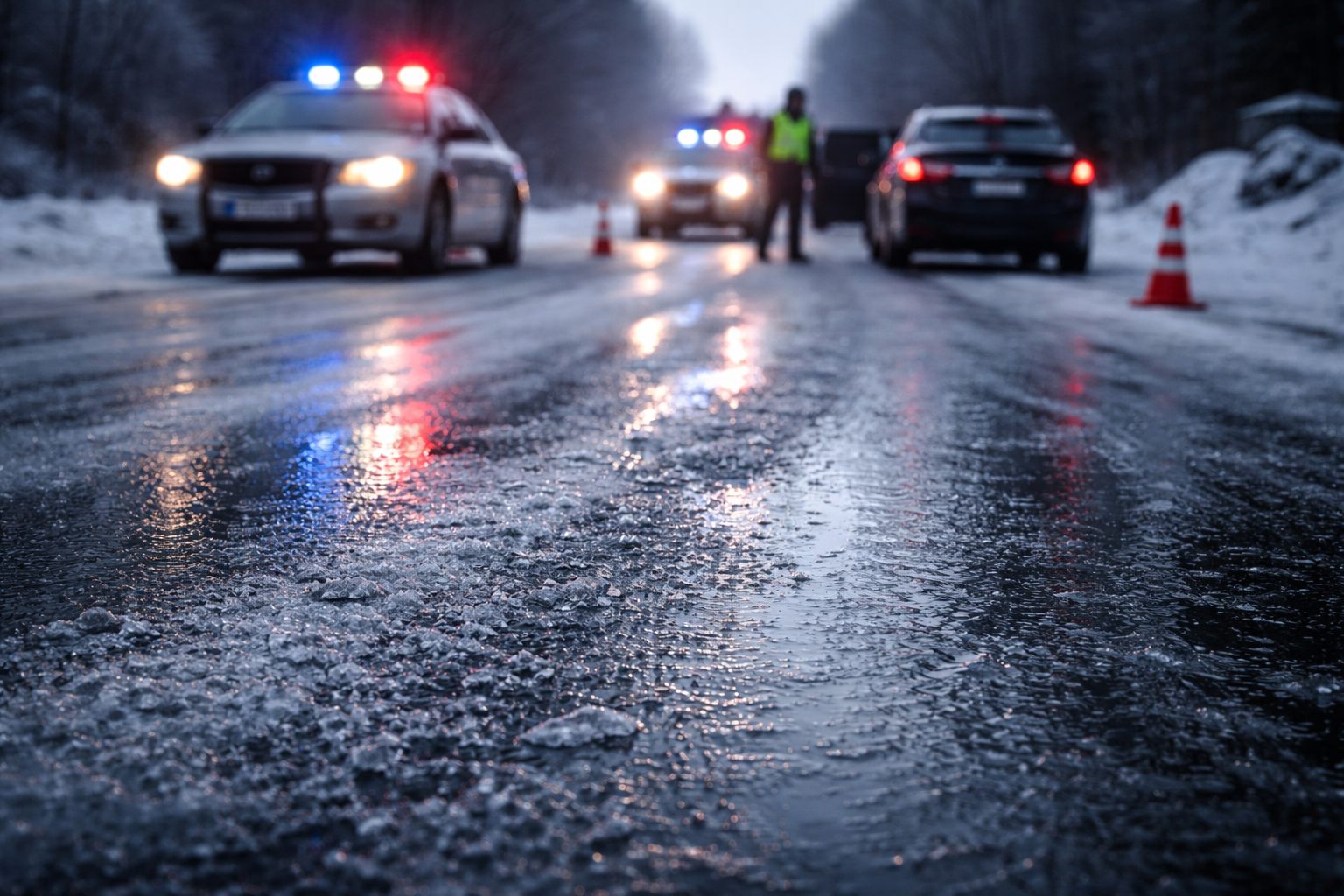
Field sobriety tests are a series of physical and cognitive exercises administered by police officers to assess whether a driver is under the influence of alcohol or drugs. These tests are based on the premise that impairment will cause individuals to struggle with tasks such as walking in a straight line or balancing on one leg.
Types of Field Sobriety Tests:
The most commonly used field sobriety tests include:- Horizontal Gaze Nystagmus (HGN): This test checks for involuntary eye movement when the eyes follow a moving object.
- Walk-and-Turn Test: This test requires a person to walk heel-to-toe in a straight line and then turn around to return.
- One-Leg Stand Test: The person must stand on one leg and count to a certain number.
How Black Ice Affects Field Sobriety Tests:
One of the lesser-known challenges during DUI stops is the presence of black ice. Black ice is a thin, nearly invisible layer of ice that forms on roads, making driving and walking treacherous. It often goes unnoticed, making it difficult for drivers to realize the hazard until it’s too late.
Harley Wagner
Defending West Virginia Residents for over 24 Years
- Balance Issues: Both the walk-and-turn and one-leg stand tests require balance. Black ice can make it nearly impossible for someone to perform these tests successfully, even if they are sober. A person who is not impaired may still struggle to maintain their balance on an icy surface.
- Risk of Injury: If someone is performing these tests on black ice, there is a real risk of falling or injuring themselves. This could result in a police officer perceiving the person as uncooperative or impaired, even though they are simply trying to stay on their feet.
- Cognitive Distraction: The worry of slipping or falling on black ice can distract a person from focusing on the test, which may lead to poor performance even in the absence of alcohol or drugs.

Harley and Heather gave me peace of mind as they walked me through the process of my DUI. Heather was so quick to answer even the smallest and probably irrelevant questions I had. I was extremely nervous to walk in the courtroom, but Harley made sure I was in and out of there in no time with the best deal I could think of. My DUI charge was reduced to a speeding ticket and some online DUI classes. Would absolutely recommend Harley and Heather if you’re ever in need of a lawyer.”
- Antea Jarazi
The Wagner Law Firm was amazing from beginning to end dealing with my case. This was my first time ever dealing with anything like this and they helped me tremendously and answered all my questions super fast. We got the best outcome possible for my case and I will be recommending Harley and Heather to anyone that’s ever in my situation."
- Savanna Cummings
Harley and Heather do not stop and are excellent at always keeping their clients up to date on the status of their case and never left wondering. They do all the work and are very well connected throughout the state. I will forever be grateful to both Harley and Heather for what they did for me,,,, they aren’t just another law firm, they are great people who truly care. Thank you."
- Clint Anderson
Why Are FSTs Not Always Reliable?
Field sobriety tests are highly subjective and depend on the officer’s judgment. The tests are influenced by several external factors, including:- Health Conditions: Certain medical conditions or physical limitations can make it harder to perform well on FSTs, even without any impairment.
- Fatigue and Stress: Anxiety or nervousness during a traffic stop can also affect a person’s ability to complete the tests, leading to results that may be misinterpreted as impairment.
- Environmental Conditions: As discussed, weather conditions like rain, fog, and black ice can affect both the test performance and the officer’s interpretation of the results.
What Can You Do If Black Ice Affected Your FST?
If you believe black ice or any other environmental factors influenced your field sobriety test performance, it’s important to discuss this with your DUI attorney. A skilled lawyer can challenge the results of the FST in court, arguing that external factors, such as weather conditions, impacted your ability to perform the test.Case Results
Defending a DUI in West Virginia
At The Wagner Law Firm, we understand the complexities of DUI defense in West Virginia. If you were arrested for DUI and believe that black ice or other external conditions affected your field sobriety test performance, we can help. Contact us today for a free consultation.To learn more about this subject click here: What Police Reports Often Get Wrong in DUI Cases



|


|