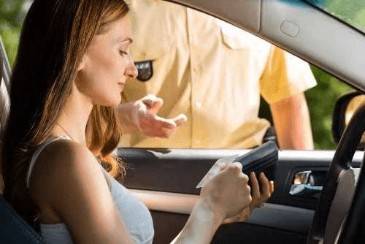
When a person is arrested for DUI in West Virginia, a police officer will ask the driver to submit to a breath test to determine his/her blood alcohol content (BAC). If a person’s BAC is over .08 percent—or .04 percent if he/she a commercial driver’s license (CDL) holder or .02 if he/she is under 21 years old—then he/she can be convicted of drunk driving.
 However, The New York Times recently published an article—titled, “These Machines Can Put You in Jail. Don’t Trust Them.”—that details how these breath tests are often inaccurate. The Times interviewed over 100 police officers, attorneys, scientists, and executives, and reviewed more than 10,000 pages of court records, contracts, corporate filings, and confidential e-mails to discover that these flawed results of breath tests were caused by various factors.
The following are several reasons why you can’t trust DUI breath tests based on The Times’ article:
- Human error – In one example, Ilmar Paegle was hired by the Metropolitan Police Department (Washington D.C.) to run its breath-testing program. When Paegle decided to test the department’s Intoxilyzers (breath testing machine), he discovered that every device produced results that were between 20 to 40 percent higher than what they should be. Not only did Paegle’s predecessor, Kelvin King, consistently entered the wrong data that miscalibrated the devices for 14 years, the department also used chemicals that were too old to set up the machines.
- Programming issues – In 2007, the New Jersey Supreme Court allowed experts to assess the software for the Alcotest 7110 devices that were used by state law enforcement officials. According to their report, the machines had “thousands of programming errors” and contained several technical and mechanical deficiencies that led to flawed test results. In 2005, Vermont’s toxicology lab said the Intoxilyzer 800 produced skewed results nearly every time. The Intoxilyzer 800 was being used in several states, such as Florida, Mississippi, Oregon, and Ohio.
- Lack of oversight – For instance, the Massachusetts forensic lab failed to establish written instructions to set up and test its breath-testing devices. In 2017, the state’s highest court ruled that the lab failed to follow a methodology that was scientifically sound and threw out every breath test result between 2012 and 2014. Additionally, an investigation by the Public Safety and Security chastised the lab’s leadership due to significant mistakes of judgment.
In the past year, Massachusetts and New Jersey judges have thrown out over 30,000 test results. Furthermore, courts throughout the nation are facing similar challenges that may lead to similar results.
If you have been arrested and you believe your breath test results are inaccurate, Attorney Harley Wagner is one of only two lawyers in West Virginia who knows how to use the testing device used by state law enforcement officials. If there any errors were made, he can file a motion to suppress the results from the trial. If the judge grants the motion, the prosecution cannot use the test results against you in court. Without key evidence to convict you, your case will most likely be dismissed.
For more information about breath tests in West Virginia, contact The Wagner Law Firm today at (304) 461-6000.